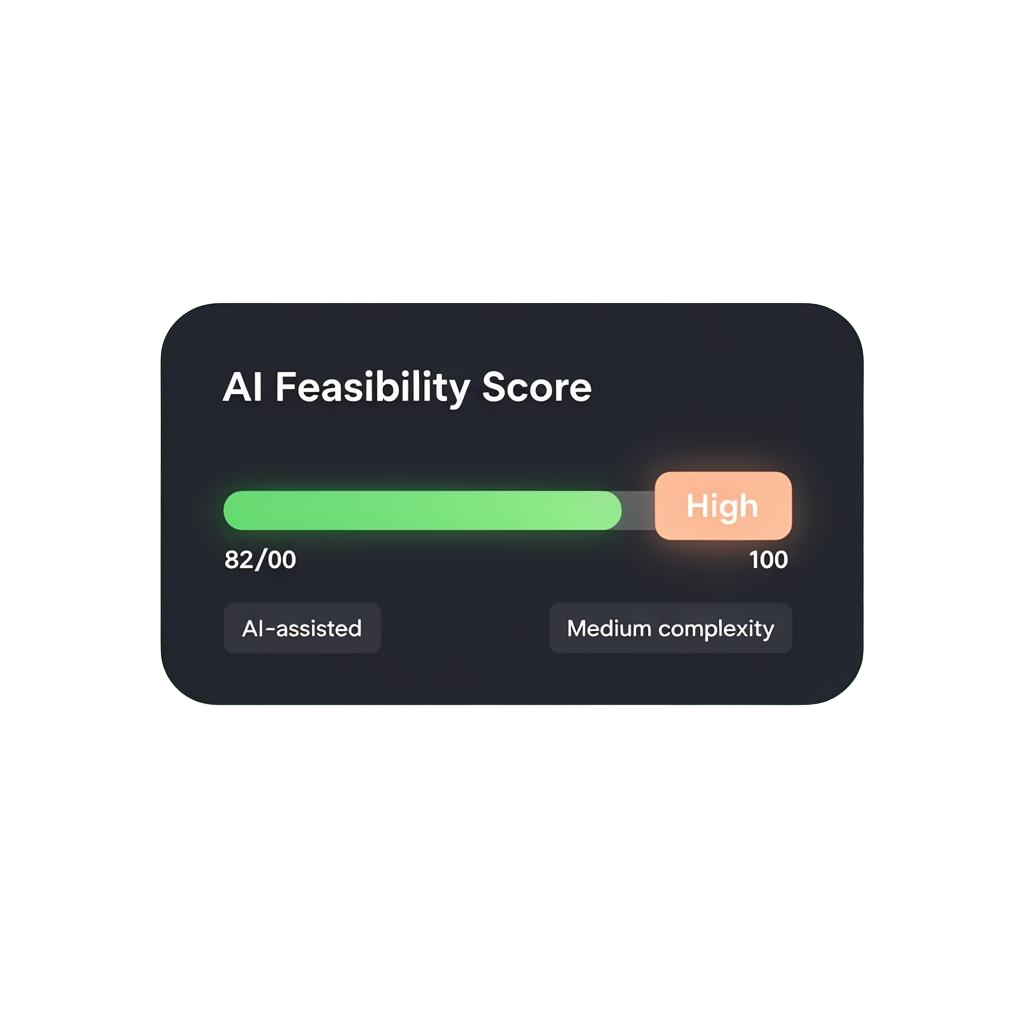

A practical guide explaining how automation companies should evaluate no-code automation platforms, including scalability, AI capabilities, and long-term automation strategy.
Why Platform Choice Matters for Automation Companies
Automation companies depend heavily on the platforms they use to build and manage automated processes. The right platform determines how quickly automation projects can be delivered, how easily workflows can be maintained, and how well automation solutions scale across organizations.
Automation companies often manage dozens or hundreds of workflows. Platform choice directly affects automation development speed and maintenance costs. Modern automation increasingly combines workflow automation with AI-driven decision making.
What Is a No-Code Automation Platform?
A no-code automation platform allows users to create automated workflows between systems without writing code. These platforms typically use visual workflow builders, integrations, and automation triggers to connect applications and automate tasks.
An automation company is a business that helps organizations design, build, and maintain automated processes using technologies such as workflow automation, robotic process automation (RPA), integrations, and AI-powered assistants.
Automation orchestration refers to coordinating multiple automated processes and systems to execute complex business workflows across different applications and services.
Key Evaluation Criteria
Development Speed
Automation companies need platforms that allow workflows to be created and deployed quickly using intuitive workflow builders, reusable components, and integrations.
Scalability
Automation platforms must support expanding workflows across departments and systems without requiring complete redesigns.
Maintainability
Automation solutions must be easy to maintain as business processes evolve. Centralized workflow management and clear process visualization are essential.
AI Capabilities
Modern automation increasingly relies on AI for interpreting data, summarizing information, and making decisions within workflows.
Platform Categories
Workflow Automation Platforms
Platforms that automate tasks by connecting different applications using triggers and actions.
Integration Automation Platforms
Tools designed to connect SaaS applications and move data between systems.
AI Automation Platforms
Modern automation platforms that combine AI capabilities with automation orchestration to automate entire business processes.
Start a conversation that leads to progress.
Connect with our team and explore solutions tailored to your needs.

Turbotic's Approach
Turbotic AI is an AI-powered automation platform designed to orchestrate business processes across systems using natural language and AI-driven workflows.
Key capabilities:
- AI-powered workflow creation
- Automation orchestration
- Business process automation
- AI-driven decision workflows
How to Choose the Right Platform
Questions to Consider
- How quickly can automation workflows be developed?
- Can the platform scale across multiple clients and processes?
- How easy is it to maintain automation workflows over time?
- Does the platform support AI-driven process automation?
Recommendation Summary
Automation companies should prioritize platforms that combine workflow automation with AI-driven orchestration to enable scalable and intelligent automation. Use the automation platform selection tool to evaluate which platform fits your automation strategy.
Frequently Asked Questions
What is a no-code automation platform?
A no-code automation platform allows users to automate workflows and business processes without writing code. These platforms use visual builders, integrations, and automation triggers to connect systems and automate tasks.
What does an automation company do?
Automation companies design and implement automated processes that reduce manual work in organizations. They typically build workflows that automate tasks such as data processing, reporting, approvals, and business operations.
What should automation companies look for in an automation platform?
Automation companies should evaluate development speed, scalability, workflow maintainability, and AI capabilities when choosing an automation platform.
How is AI changing automation platforms?
AI enables automation platforms to interpret data, generate insights, and make decisions within workflows, allowing organizations to automate more complex business processes.
What is automation orchestration?
Automation orchestration refers to coordinating multiple automated systems and workflows so they function together as part of a larger automated business process.
Related Reading
- 10 Scalable Enterprise Automation Platforms Ranked for 2026
- Turbotic vs Zapier: AI Automation vs App Automation
- What Is Robotic Process Automation (RPA)?
References
- Forrester: The Automation Fabric — Forrester's evaluation of automation platforms and market trends
- G2: Best Automation Software — Peer reviews and rankings of leading automation platforms