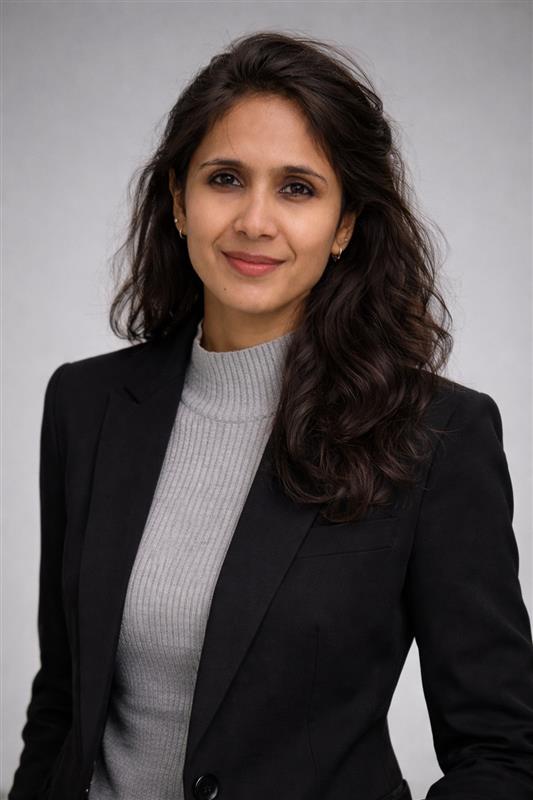

Saransh Shetty joins Turbotic as Ops RPA and Agentic Automation Solution Architect, bringing 11 years of automation architecture for Fortune 500 clients. He helps organisations turn working pilots into production-grade automation that holds up.
Saransh Shetty joins Turbotic as Ops RPA and Agentic Automation Solution Architect, bringing 11 years of automation architecture for Fortune 500 clients. He helps organisations turn working pilots into production-grade automation that holds up.
Most automation demos work because the happy path works. The real test comes later, when an input arrives malformed, a system times out or an edge case nobody planned for hits production at scale. That is where many automation programmes quietly break down: bots that passed UAT become next quarter's incidents, and AI agents that impressed in a demo can't be monitored, maintained or governed. Closing the gap between a working pilot and automation that is reliable, monitored and governed is where Turbotic operates. It is why we have appointed Saransh Shetty as Ops RPA and Agentic Automation Solution Architect.
"A lot of clients get stuck between having a working pilot and having something that's actually production-grade, reliable, monitored and governed. That's the gap I help close, whether it's a traditional RPA workflow or an AI agent. What separates production-grade architecture is designing for what happens when things fail: retry logic, logging, monitoring, reusable components instead of one-off scripts. The goal is to build it so it actually runs and holds up, not just demos well," says Saransh Shetty.
From building bots to setting the standard
Saransh has spent 11 years in IT and automation. He started as an RPA developer at Mphasis, then worked as an RPA consultant at Deloitte Consulting USI and as a senior developer at EXL Service. Most recently, he spent five years at Accenture as Team Lead and RPA Solution Architect. There he owned end-to-end solution blueprints and architecture for clients including Meta, HP Inc. and Hearst Communications.
His core expertise is UiPath across the full stack: Studio, Orchestrator, REFramework, Action Center and Document Understanding. He also has hands-on experience with Blue Prism in banking and with Microsoft Power Automate. More recently, he has applied the same rigour to agentic automation and LLM-integrated workflows, working with GPT-4, Gemini and UiPath Autopilot.
The results reflect it. At Meta, he led the automation of internal operations workflows and cut manual processing time by around 65%. Across his roles, he has delivered automation for Fortune 500 clients in media, technology, healthcare, finance and retail. In each role he did more than design bots. He set the coding standards, governance and monitoring practices that kept them running reliably in production.
Why this matters for Turbotic's clients
Turbotic helps organisations move from AI and automation experimentation to operational value. As AI agents join rule-based automation, that move gets harder, not easier. Saransh brings the architectural discipline it requires. He sets coding conventions, reviews designs and mentors developers, so that the solutions we build stay consistent and maintainable long after go-live, including by people who didn't build them.
His approach showed at HP Inc. When he stepped in, the finance and supply-chain processes were being automated as one-off scripts, and none of them were designed to scale beyond the first release. He restructured the programme around a proper REFramework setup, with shared, reusable components in place of logic duplicated across bots. He then led a team of six developers through the full delivery lifecycle, from design documentation through system and user testing and into hypercare, so nothing was handed off half-documented. At go-live, the client had a multi-bot solution the team could maintain and extend, rather than one that would break the moment someone new touched it.
"Getting an agent or a bot working is no longer the hard part. Keeping it working, at scale, under governance, is. Saransh has spent a decade building automation that survives contact with production, and that is exactly what our clients need as they move from pilots to operations," says Theodore Bergqvist, CEO and Co-founder of Turbotic.
What working with Saransh looks like
Clients should notice fewer fire drills. Saransh builds monitoring, alerting and proper exception handling in from day one, so problems are caught before they become production incidents rather than after. He is candid about the shortcut he sees most often: teams skip exception handling and monitoring to hit a deadline. The automation works in UAT, then breaks in production because nobody planned for the edge cases. He has done the root-cause cleanup on those incidents himself, and that experience drives his approach.
His instinct with any technical problem is consistent. He fixes the immediate ask, then architects the fix so it doesn't become the next quarter's incident. That applies equally to a traditional RPA workflow and to an LLM-driven agent. For clients moving from pilot to production, it means automation that is governed, observable and built to last.
Welcome to Turbotic, Saransh. We are glad to have you on board.